Houston
back to blog
July 10, 2026
Is a Home Warranty Actually Worth It? | North Houston Realtor, Best Realtor in 77070, Tomball Realtor, Cypress Realtor, Best Realtor in Houston
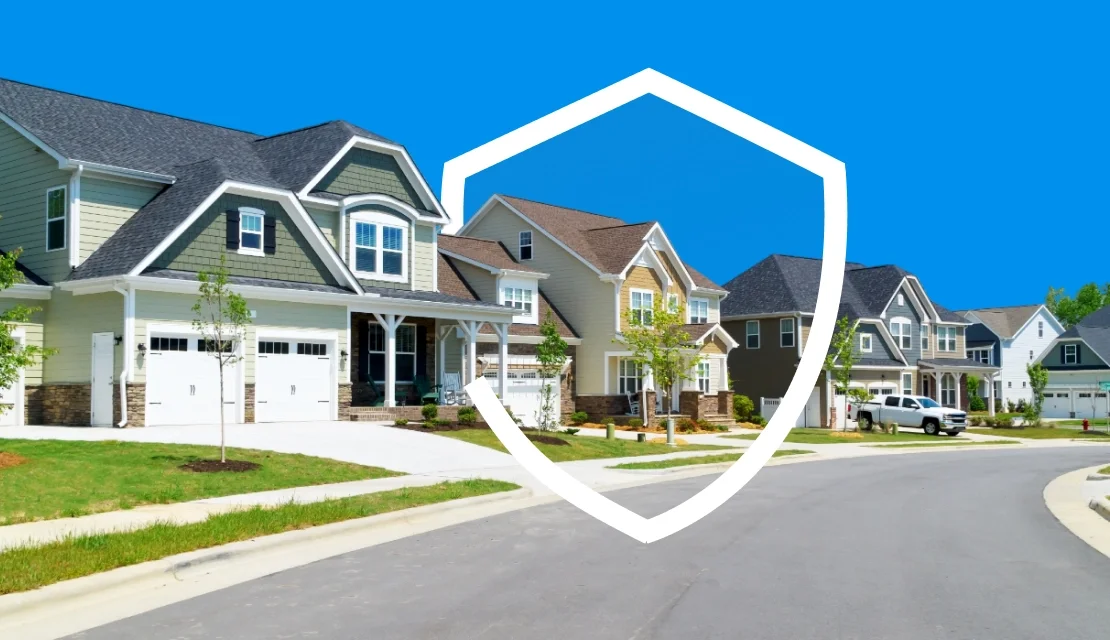
When you buy a house, keeping your savings safe is a top priority. However, many first-time buyers mistake a home warranty for standard homeowners insurance. Understanding how these two distinct safeguards interact can save you thousands of dollars down the road.
Let’s break down how a home warranty functions, what it costs, and whether it makes sense for your household.

What Exactly is a Home Warranty?
A home warranty is a service contract that provides financial protection when essential systems and appliances inevitably break down. Unlike homeowners insurance—which steps in for structural damage caused by disasters like fires or storms—a warranty handles everyday mechanical wear and tear.
- Core Covered Items: Air conditioning, heating, electrical setups, interior plumbing, water heaters, and central kitchen appliances.
- Hassle-Free Repairs: Instead of searching for contractors, you get direct access to the provider’s pre-vetted network of licensed and insured repair technicians.
The Financial Structure: Plan Tiers and Service Fees
Home warranties operate on a highly predictable, flat-rate financial model that makes budgeting for unexpected emergencies incredibly simple.
Predictable Service Call Fees
When a covered system malfunctions, you submit a claim and pay a fixed service fee of around $95 per claim, which functions similarly to a medical co-pay. If your water heater suddenly fails and needs a complete replacement, the new unit, labor, and disposal fees are covered by your policy. Instead of a massive out-of-pocket bill, you only owe your standard $95 fee.
Tiered Coverage Packages
To fit various property types and budgets, providers generally structure their plans into multiple annual coverage tiers:
- Starter Plans (~$510/year): Covers basic appliances or essential systems.
- Intermediate Plans (~$620–$715/year): Hybrid coverage for both systems and appliances.
- Top-Tier Plans (~$855/year): Comprehensive, bumper-to-bumper property protection.
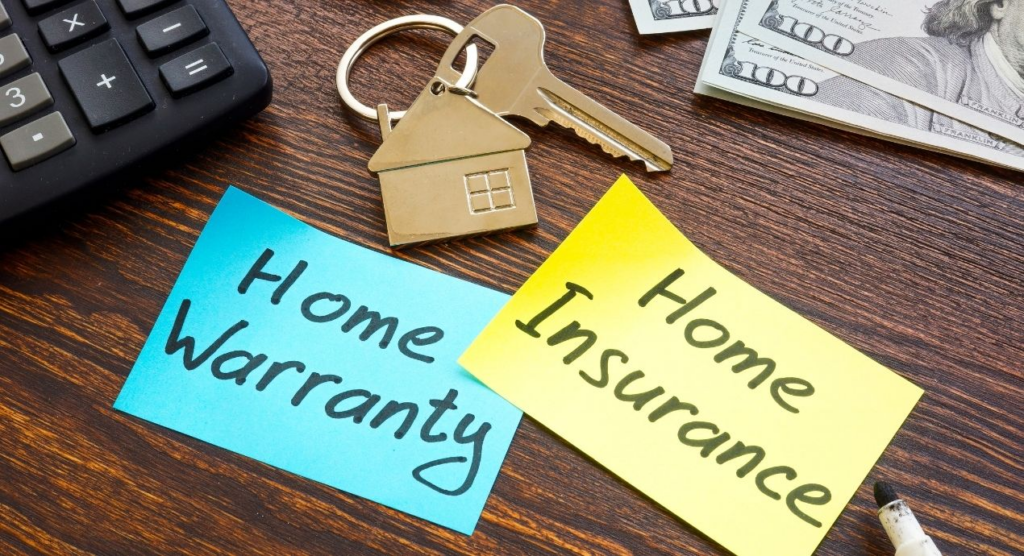
Home Warranties vs. Homeowners Insurance
Understanding the boundary lines between these two financial tools ensures your property is fully protected without any expensive gaps.
Homeowners insurance focuses strictly on structural damage and personal liability triggered by severe weather events, fire, floods, and vandalism. Making multiple insurance claims can cause your monthly premium to rise significantly.
In contrast, a home warranty focuses entirely on the mechanical failure of major home components caused by regular age and usage. Because renewal rates are based on standard company packages, your unique claims history never increases your annual warranty rate.
Essential Rules of Contract Eligibility
Before signing on the dotted line, you must understand standard industry requirements to prevent denied claims in the future.
- The Good Working Order Requirement: Warranties do not cover pre-existing conditions. All systems and appliances must be in good working order on the exact day you take ownership of the home.
- Inspection Reports & Due Diligence: While some providers do not require a formal home inspection report to activate a policy, rules vary. Always check a provider’s Better Business Bureau rating and explicit coverage caps before buying.
Maximizing Value: Older Properties and Strategic Timing
The age of your property heavily influences the overall return on investment you get from a protection plan.
- Older Homes: Warranties offer massive value for older homes where components are nearing the end of their lifespans. Active coverage is highly recommended for properties that are five to seven years old or older.
- Real Estate Transaction Discounts: Purchasing your policy during an active real estate transaction unlocks exclusive pricing, typically saving buyers between $100 and $200 compared to standard homeowner rates.
- New Construction Perks: Specialized new construction packages can provide extended protection for up to five years total, seamlessly layering on top of the builder’s mandatory one-year warranty.
Property Exclusions and Restrictions
While residential coverage is incredibly flexible, certain properties simply do not fit the standard home warranty model.
- Commercial Properties: Policies are strictly reserved for standard residential use.
- Square Footage Limits: Ultra-luxury estates exceeding 10,000 square feet are typically excluded from standard plans.
- Approved Property Types: Protection is fully available for a wide range of residential setups, including mobile homes, condos, townhomes, duplexes, and triplexes.
Final Verdict: Is a Home Warranty Right for You?
Choosing the right tier is the biggest factor in maximizing your long-term savings. Homeowners with older properties will benefit most from top-tier plans that cover full system replacements, while newer homes may only require basic appliance gap coverage.
For first-time buyers, look beyond pricing alone. Investigate specific terms, exclusions, and coverage caps to ensure you secure total peace of mind for your new chapter.
Contact me if you are ready to buy and sell:
Jill Goehring
(346)454-5542
Jill@cove21.com
Houston Realtor, Houston Real Estate Agent, Best Realtor in Houston TX, Top Houston Realtor, Houston Homes for Sale, Northwest Houston Realtor, Cypress TX Realtor, Best Realtor in Cypress TX, Cypress TX Real Estate Agent, Cypress TX Homes for Sale, Tomball TX Realtor, Best Realtor in Tomball TX, Tomball TX Real Estate Agent, Tomball TX Homes for Sale, Katy TX Realtor, Best Realtor in Katy TX, Katy TX Real Estate Agent, Katy TX Homes for Sale, Spring TX Realtor, Spring TX Real Estate Agent, Spring TX Homes for Sale, Realtor 77070, Real Estate Agent 77070, Homes for Sale 77070, Realtor 77069, Real Estate Agent 77069, Homes for Sale 77069, Houston New Construction Realtor, Houston Home Buying Agent, Houston Listing Agent

The Highlands: A Nature-First Master-Planned Retreat in Porter, TX | North Houston Realtor, Best Realtor in 77070, Tomball Realtor, Cypress Realtor, Best Realtor in Houston →
Leave a Reply
your real estate team
Jill Goehring
(346) 454-5542
Jill.D.Goehring@gmail.com
(916) 776-5875
bangxnguyen@gmail.com